

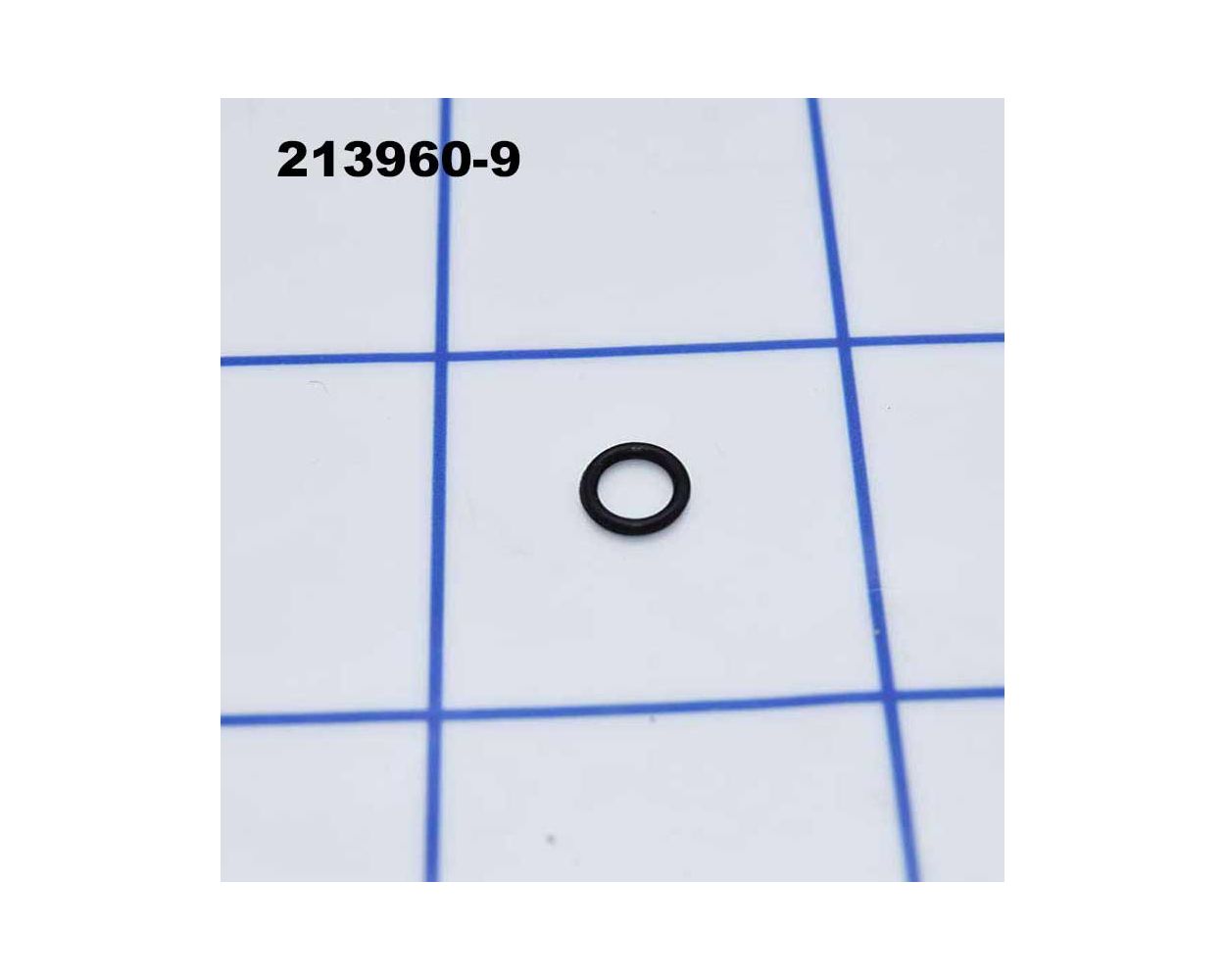


O-rings are designed to contain thousands of pounds of pressure by creating a seal between two or more parts. O-ring measurements are defined by the inside diameter and the thickness. There are many causes for O-Ring failure, such as pressure, friction, temperature or chemicals. The most common are: • <u>Extrusion and Nibbling</u> • O-ring has ragged, tattered edges. These are commonly caused by pressure spikes which shear off tiny "bites" from the o-ring, or caused by clearance gaps. • <u>Abrasion</u> • One or both sides of the o-ring appear rough and slightly flattened. Commonly caused by a contact surface that is too rough, contains grit or is too smooth to allow lubrication. • <u>Over Compression </u> • O-ring is flattened on both sides and may have a "ring" split along its length. Commonly caused by excessive pressure or heat. • <u>Heat Hardening</u> • O-ring has a pitted or cracked surface, and often is flattened on both sides. Caused by temperature exceeding o-ring capacity. • <u>Weather/Ozone Cracking</u> • O-ring is covered in small surface cracks. Caused by exposure to ozone, UV rays and air pollution. Excessive seal stretching causes similar cracking.
| On Offer | No |
|---|---|
| Buy Together | No |
| Ship Free | No |
Write Your Own Review